At the Australian Open, Aryna Sabalenka demonstrated why she is the dominant force in women’s tennis by advancing to the final for the fourth year in a row with a powerful performance against Elina Svitolina. The world number one’s victory solidifies her standing as one of the most formidable players on hard courts, putting her on the verge of another Grand Slam success.
A Dominant Semifinal Showing
Sabalenka performed a dominant effort on Thursday night at Melbourne’s Rod Laver Arena, defeating Svitolina 6-2, 6-3 in straight sets to go to the final match. The outcome demonstrated Sabalenka’s explosive power and tactical precision, as she controlled the majority of rallies from the baseline and commanded play with her strong serve and aggressive groundstrokes.
Sabalenka’s stats showed her dominance: she hit 29 wins to Svitolina’s 12 and converted critical break opportunities in both sets. The match lasted just over an hour, demonstrating how effectively the top seed performed under the bright lights of Melbourne Park.
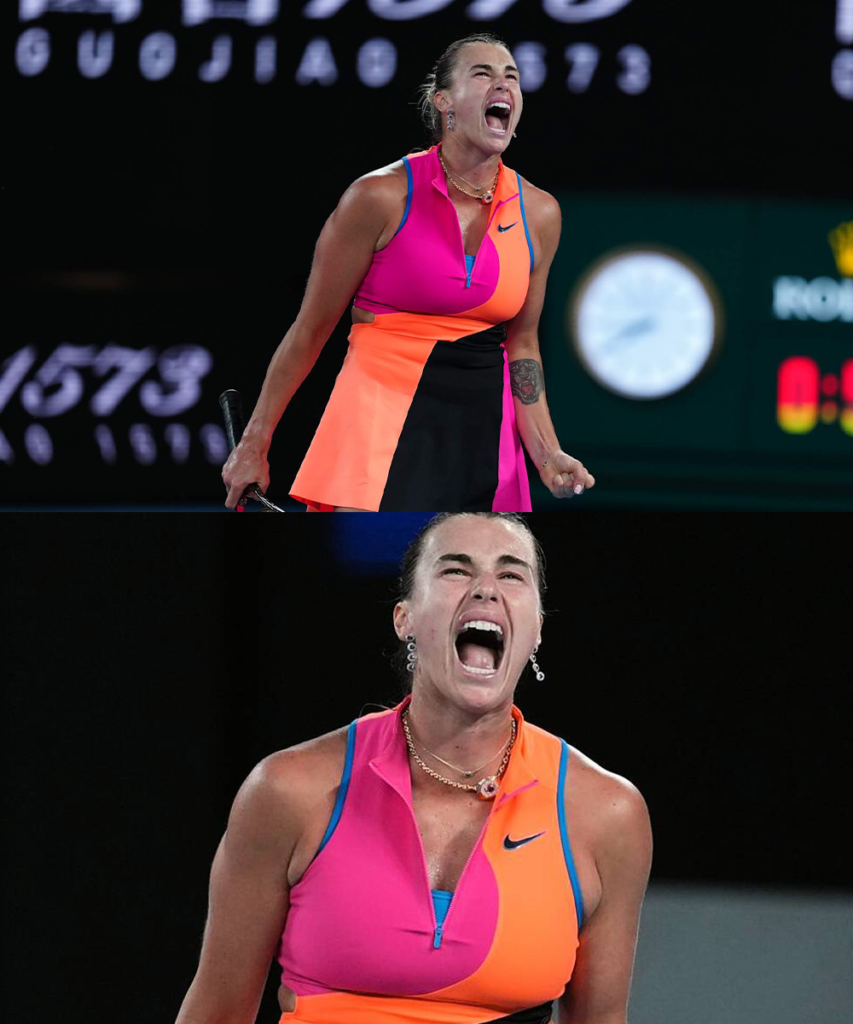
Even a controversial moment early in the match—a point penalty for hindrance following extended grunting—did little to slow her momentum. Sabalenka broke right back and continued her assault, a sign of the mental resilience that has characterized her current run.
Making History in the Open Era
Sabalenka joins an elite group of Open Era competitors after reaching her fourth consecutive Australian Open final. Only two other women—Evonne Goolagong Cawley and Martina Hingis—have accomplished this incredible feat, emphasizing how unique and valuable her achievement is.
Sabalenka has not only demonstrated consistency in Melbourne, but her entire form this season has been outstanding. She entered the semifinals without dropping a set in the competition, extending her season-long winning streak to 11 matches. Her confidence and court savvy were evident from the first round and will continue to be important factors as she pursues another crown.
A Final Awaits: Rybakina or Pegula
Sabalenka now awaits the winner of the other women’s singles semifinal, which is between Elena Rybakina and Jessica Pegula. Rybakina, a former Wimbledon winner, won 6-3, 7-6(7) against Pegula. A final between Sabalenka and Rybakina would be a rematch of the 2023 Australian Open championship, which Sabalenka also won, providing an intriguing storyline for Saturday’s match.
The head-to-head dynamic provides another dimension of excitement. The two have faced several times in major finals and huge matches, resulting in one of the most entertaining rivalries on the WTA Tour in recent years. A final battle in Melbourne might be a watershed moment in their continuous competitive journey.
Sabalenka’s Mental Growth
Sabalenka’s mental progress, as well as her athletic game, has set her apart this season. In previous years, mood swings and gaps in concentration were occasionally identified as flaws. However, this year’s Australian Open performance has revealed a more mature player who can turn adversity into momentum—even when confronted with contentious calls or difficult situations on the court.
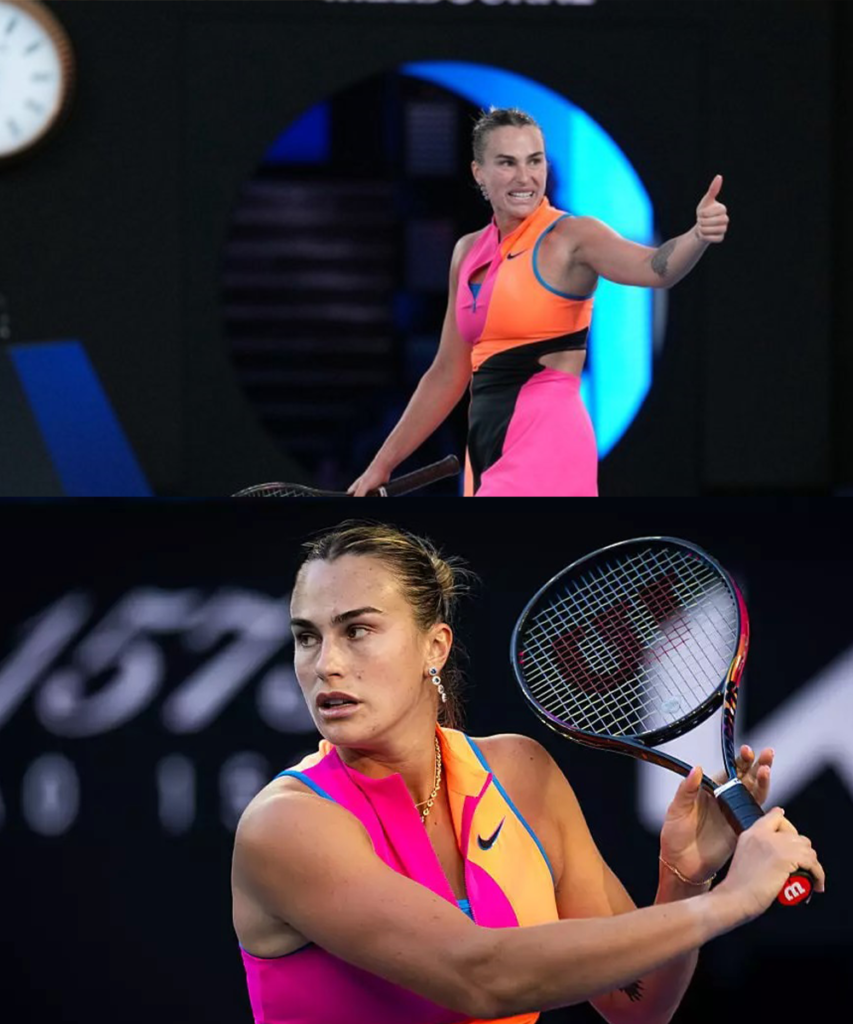
Her ability to rebound from the hindrance penalty and break serve immediately following is indicative of her development. Sabalenka’s post-match comments matched this mindset: she stressed remaining present and competitive rather than concentrating on extraneous factors—a mentality that has helped her maintain her position at the top of the game.
What’s Next? The Quest for a Third Title
Sabalenka is chasing her third Australian Open championship (she won in 2023 and 2024) and sixth Grand Slam overall. If she wins the final, she will further reinforce her domination on hard courts and leave her mark on one of the sport’s most important platforms.
As the world watches, Sabalenka’s combination of strength, resilience, and tactical knowledge makes her not only a fan favorite, but also a player defining this age of women’s tennis.