During the 2026 NBA trade deadline, the Cleveland Cavaliers agreed to send experienced guard Lonzo Ball to the Utah Jazz. The catch is that he is unlikely to ever play for Utah. The deal is more than just a roster change; it shows how the Cavaliers are reorganising both their squad and their financial plan in order to set themselves up for greater goals this season.
What transpired during the trade breakdown
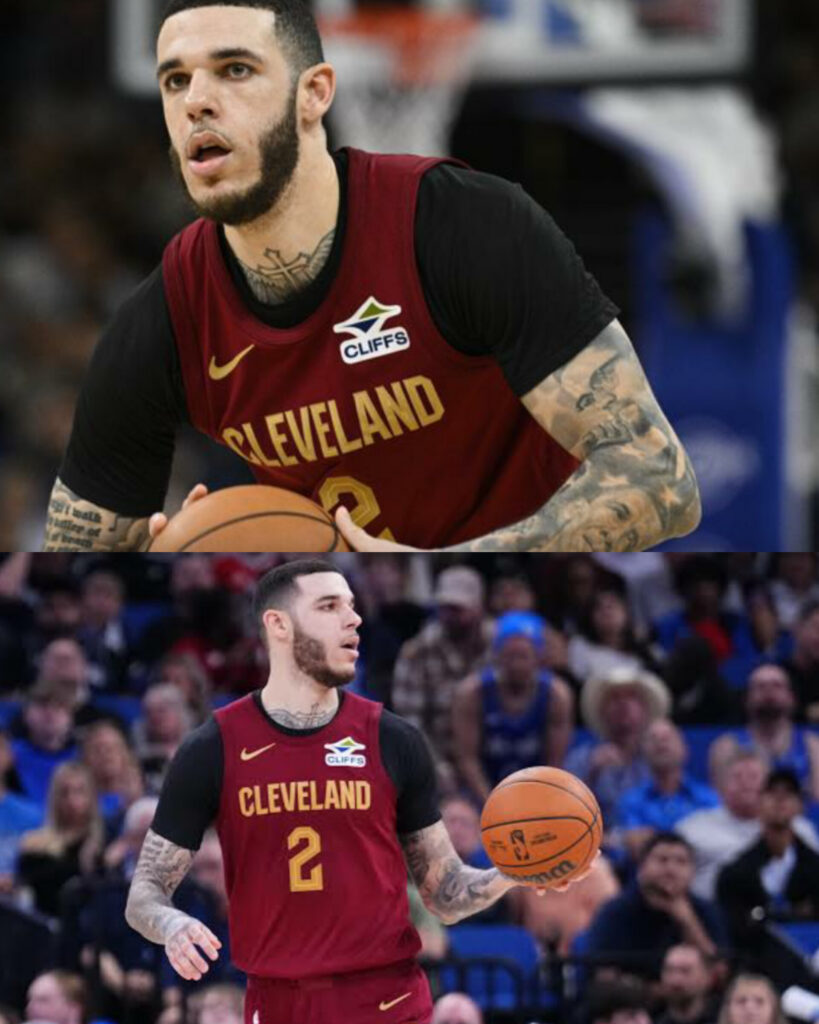
The Cavaliers agreed to send Lonzo Ball to the Utah Jazz along with two future second-round lottery picks, according to numerous reports from ESPN and other league insiders. Cleveland received no noteworthy players in exchange. Rather, the action was essentially a salary dump intended to help them meet the NBA’s financial requirements so they could make more significant additions.
Ball will become an unrestricted free agency after the deal is finalised since the Jazz, who have been actively overhauling their own squad this deadline season, are anticipated to waive him soon after acquiring him. If teams show interest, Ball will then be free to decide where he plays for the rest of the season.
The Atlanta Hawks, who acquired center Jock Landale as part of the league’s salary and roster balance strategy, are also involved in the three-team dynamic.
The Cavaliers’ Decision to Prioritise Strategy Over Players
It appears strange at first to trade a well-known player like Lonzo Ball, even though he isn’t a star at the moment, without receiving an impact player in return. In actuality, though, this was less about roster enhancements and more about financial flexibility.
The Cavaliers were over $13 million over the second “apron” of the NBA salary cap, which restricts a team’s ability to make trades and build their squad. Cleveland gets considerably closer to that threshold by relocating Ball’s roughly $10 million contract, which enables them to avoid severe restrictions that can harm them in upcoming trades or roster changes.
In order to position themselves for chances to acquire truly game-changing stars, possibly even through trade, current NBA front offices frequently manipulate contracts, draft assets, and cap space.
In actuality, cutting salaries allows Cleveland to chase more well-known players—possibly even stars—which is extremely challenging given the league’s financial limitations.
What Did Lonzo Go Wrong in Cleveland?
It was anticipated that Lonzo Ball’s playmaking and veteran expertise would enhance the Cavaliers’ developing core when they first acquired him from the Chicago Bulls last season. But things didn’t go as planned during Ball’s stay in Cleveland.
Ball’s output decreased even though he remained largely healthier than in previous seasons. He shot terribly from the field and from beyond the arc this season, averaging about 4.6 points, 4.0 rebounds, and 3.9 assists. His role was restricted and his value in the Cavaliers’ rotation decreased as a result of his inefficiency.
Ball’s minutes decreased even further when the Cavaliers added guards like Dennis Schroder and Keon Ellis right before the deadline, and it was obvious that the team no longer valued his contributions.
Analyst and Fan Reaction
As soon as the news was released, fan forums and social media exploded. Ball’s deal was more valuable as cap space than as court output, according to many Cavaliers supporters, who expressed relief that he was no longer on the team. The fact that Cleveland needed to include two second-round picks in order to clear the contract infuriated others.
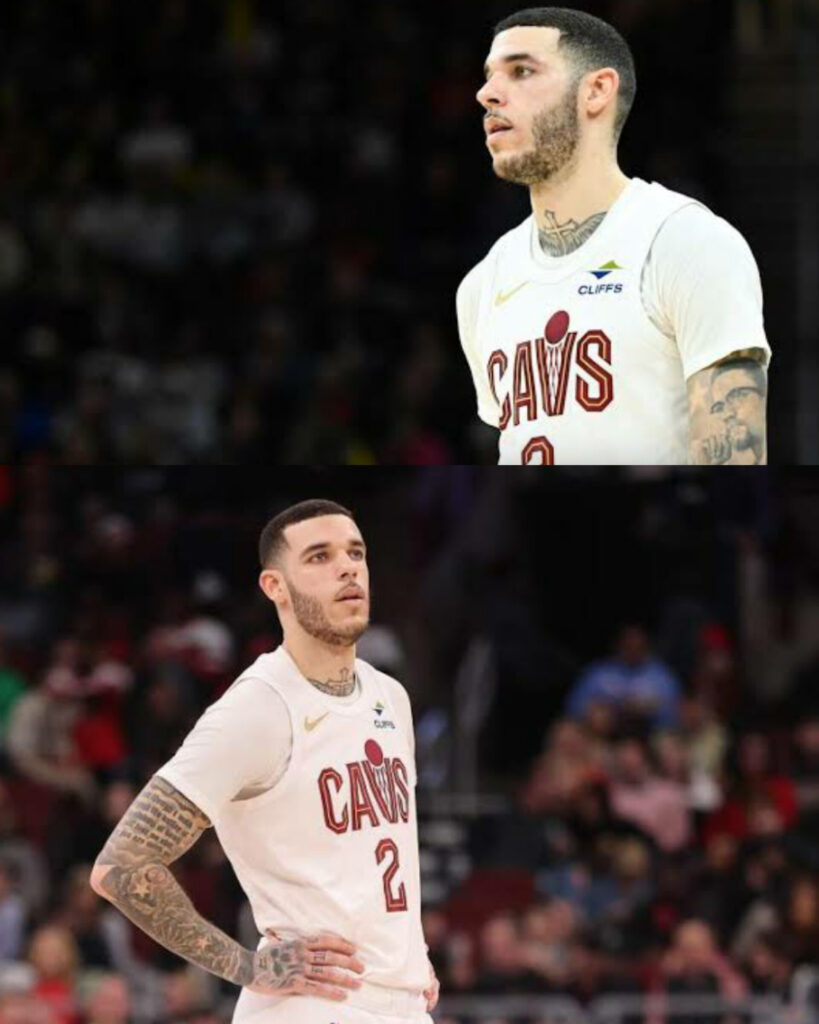
Ball’s detrimental effect on the floor made the decision nearly inevitable, and some fans even made jokes about the move as a simple “salary dump.”
What Will Happen to Lonzo Ball Next?
Lonzo becomes a free agency in the middle of the season due to the Jazz’s anticipated waiver of him, which is unusual for a guy who was once a top overall pick and long regarded as a potential playmaker at both ends of the court.
Ball’s market may be wary given his age of 28 and lengthy history of injuries. However, his ability to defend and assist could draw in competitors seeking depth for the postseason run, as some clubs are in need of seasoned guards.
It’s also important to remember that Ball had a difficult few seasons with the Bulls prior to joining the Cavaliers, where injuries had ruined a large portion of his career. For the appropriate club, he might be a low-risk, high-reward addition because he is now healthier and accessible.
Concluding Remarks: Not Just a Trade
On paper, this trade of a veteran guard and two picks may seem insignificant, but it represents the new NBA roster management paradigm of striking a balance between talent, salary, draft capital, and flexibility. It’s a move in the direction of a more flexible deadline plan for the Cavaliers. For Lonzo Ball, it’s another opportunity to establish himself in a fresh setting on a new club.
In any case, it’s one of the more fascinating side stories of this NBA trade deadline season, and NBA fans are undoubtedly keeping a close eye on it.